Jan 14, 2015

Introducing Your New Cat to Other Pets

Wouldn't it be nice if all it took to introduce a new cat to your resident pet were a brief handshake and a couple of "HELLO, My Name is...." nametags?

But, since we're dealing with cats, not people, it's just not that simple.

Realistic expectations

You can’t force your pets to like each other. We don't have a crystal ball to predict whether or not your pets will be friends, but we do have techniques that will increase your chances of success. Most importantly, try to choose a cat with a similar personality and activity level to your current pet. An older cat or dog might not appreciate the antics of a kitten.

Go slow during the introduction process to increase your chances for success. Don't throw your pets together in a sink-or-swim situation and just hope they'll work it out. That's a recipe for the fur to fly!

Find solutions to cat problems in our Cat Answer Tool >>

The nature of cats

Cats are territorial, and in general they don't like to share. A cat who's unhappy about a newcomer may express his displeasure by fighting with the other pet and marking territory (peeing on the floor, wall or objects).

Cats also dislike change, and a new cat in the house is a huge change. These two character traits mean you could have a tough (but not impassable) road ahead.

Being social

Some cats are more social than others. An 8-year-old cat who has never been around other animals might never learn to share her territory (and her people) with other pets. But an 8-week-old kitten separated from her mom and littermates for the first time might be glad to have a cat or dog companion.

All of this means that your current pet and your new cat need to be introduced very slowly so they can get used to each other before a face-to-face meeting. Slow introductions help prevent fearful or aggressive behavior from developing. Below are some guidelines to help make the introductions go smoothly.

The introduction process can take anywhere from a few days to a few weeks, or even a few months in extreme cases. Be patient.

Confinement

To allow time for the newcomer to adjust to you and her new situation, keep her in a small room with her litter box, food, water, scratching post, toys and a bed for several days to a week.

  • Feed your resident pets and the newcomer on each side of the door to this room, so that they associate something enjoyable (eating!) with each other's smells. Don't put the food so close to the door that the animals are too upset by each other's presence to eat.
  • Gradually move the dishes closer to the door until your pets can eat calmly while standing directly on either side of the door.
  • Try to get your pets to interact with a toy. Tie a toy to each end of a string, then place it so there's a toy on either side of the door. Hopefully, they’ll start batting the toys around and maybe even batting paws.
  • Be sure to spend plenty of time with your new kitty in her room, but don't ignore your resident cat.

The old switcheroo

To animals, smells are far more important than appearances, so you want to get your pets used to each other's scent before they meet face-to-face.

  • Swap the blankets or beds the cats use, or gently rub a washcloth on one cat’s cheeks and put it underneath the food dish of another. If there are more than two animals in the house, do the same for each animal. When the pets finally do meet, at least their scents will be familiar. 
  • Once your new cat is using her litter box and eating regularly while confined, let her have free time in the house while confining your other pets to the new cat's room. It's best to introduce your new cat to a room or two at a time and increase her access to other rooms over a few days. This switch provides another way for them to experience each other's scents without a face-to-face meeting. It also allows the newcomer to get familiar with her new surroundings without the other animals frightening her.
  • You can do this several times a day, but only when you're home to supervise. If you have to leave the house, put your new kitty back in her room.
  • Next, after you’ve returned the cats to their designated parts of the house, use two doorstops to prop open the dividing door just enough to allow the animals to see each other.
  • Repeat the whole process over a period of days—supervised, of course.

Slow and steady wins the race

It's better to introduce your pets to each other gradually so that neither animal becomes afraid or aggressive. Once the cats are face to face, though, there will be some kinks for them to work out.

If you're really lucky, your cats may do some mutual sniffing and grooming, and you're on your way to success. They may sit and stare at each other. You can provide distraction by dangling toys in front of them at the same time. This may encourage them to play together.

They might sniff each other, hiss and walk away. That's to be expected. This may go on for a few days or so, and then you'll probably find them both sleeping on your bed.

Break it up

If you're not so lucky, they may be very stressed. They may only posture and make a lot of noise. But, as soon as there are signs of increasing aggression (flattened ears, growling, spitting and crouching) make a loud noise by clapping your hands or throw a pillow nearby to distract them. If the standoff continues, very carefully herd them into separate parts of the house to calm down. This could take up to 24 hours, and the cats may take out their stress on you.

Be careful 

If the cats fight repeatedly, you may need to start the introduction process all over again and consider getting advice from a vet or animal behaviorist.

Note: Never try to break up a cat fight by picking one up. You're bound to get hurt.

Reducing tension

There are other things you can do to help ease tension between feline roommates.

  • Have your cats examined by your vet before introductions to make sure they're all healthy. 
  • Have one litter box per cat plus an extra one. 
  • Try to keep your resident pets' routine as close to what it was before the newcomer's arrival.
  • Make sure all cats have a "safe" place to escape to.
post from sitemap

Jan 9, 2015

Currently Operational Gas Chambers

Back to Fact Sheets

To the best of our knowledge, this is the listing of all of the shelters/communities in the U.S. with active gas chambers as of Dec. 15, 2014. If you have evidence that a listed shelter does not have a gas chamber or that a shelter with an active chamber is not included on the list, please contact ifricke@humanesociety.org so that we can provide the most accurate information possible.

Kansas

1. Chanute Animal Control Department
2. Humboldt Animal Control
3. Norton Animal Control

Michigan

1. Berrien County Animal Control
2. Branch County Animal Control
3. Cass County Animal Control
4. Van Buren County Animal Control

Missouri

1. Buchanan County  -- St. Joseph Animal Control & Rescue
2. Jasper County Animal Control
3. Polk County  -- City of Bolivar Animal Pound
4. Webster County -- City of Marshfield Animal Control
5. Randolph County Animal Control
6. Miller County – Republic Animal Control
7. Scott County Animal Control
8. Stoddard County (exact agency name unknown)
9. New Madrid County (exact agency name unknown)
10. City of Butler Animal Control Department
11. St. Louis Animal Regulation Center
12. Jefferson City Animal Shelter

Nevada

1. City of Elko Animal Control

North Carolina

1. Davidson Animal Care & Control
2. Granville County Animal Shelter
3. Union County Animal Services
4. Wilkes County Animal Control

Ohio

1. Carroll County Dog Pound
2. Erie County Dog Shelter
3. Knox County Animal Shelter
4. Perry County Dog Shelter

Oklahoma

1. Broken Arrow Animal Shelter
2. Clinton Animal Shelter
3. Shawnee Animal Shelter

Utah

1. Carbon County Animal Control
2. Draper Animal Services
3. Sandy City Animal Services
4. South Jordan Animal Services
5. Taylorsville-West Valley City Animal Services
6. North Utah Valley Animal Shelter
7. South Utah Valley Animal Shelter
8. Weber County Animal Shelter

West Virginia

1. Wyoming County Dog Shelter

Wyoming

1. City of Gillette Animal Services
2. Green River Animal Control
3. City of Rock Springs Animal Control

Kentucky

At this time we suspect chamber use but do not have confirmation; please contact ifricke@humanesociety.org if you have evidence of chamber use.


post from sitemap

Jan 8, 2015

Pet Food Safety

Common-sense tips, the latest recalls, and new FDA rules to protect your pets

Skip to recent pet-food recall notices »
 

While it's nearly impossible to ensure that your pet will never come in contact with tainted pet food or treats, you can reduce your pet's risk. Protect your pet by taking these four important steps:
 

1. Follow common-sense tips
2. File a complaint
3. Help the U.S. Food and Drug Administration protect your pet
4. Read the latest pet-food recalls
 

1. Follow common-sense tips for protecting your pet from harmful food

•  Start by practicing good hygiene with your pets' food and water bowls.

•  Check our list of recalled foods and treats regularly for information about items that have been recalled. You may also want to join our online community to receive information about recalls via the Pet of the Week enewsletter.

•  If your pet's food or treats are recalled, immediately stop feeding the product to your pet. You can return recalled products to the store where you purchased them for a full refund or dispose of them in a secure area not accessible to animals. If you have questions about recalled food or treats, contact the manufacturer.

•  If your pet may have consumed a recalled product, consult your veterinarian, even if your pet isn't showing any symptoms.

2. File a complaint with the FDA if your pet has been poisoned

If your pet has become ill or died because of a tainted food or treats, please report it to The FDA Consumer Complaint Coordinator in your state.
 

3. Watch this video from The FDA's Center for Veterinary Medicine


4. Help the FDA protect your pet

The FDA is proposing stronger rules on tainted pet food. Act now to make those rules effective:

  • Read The HSUS's response to the proposed rules »
  • Read Wayne's Blog on why the proposed rules are necessary »
  • Watch the FDA's presentation on the rules »

5. Read recent FDA advisories on recalled pet food and treats

December 31, 2014: Jump Your Bones, Inc. Recalls Roo Bites (Cubes) Pet Food Treats Due to Possible Salmonella Contamination

December 24, 2014: Barkworthies Issues Nationwide Recall of Chicken Vittles Dog Chews Due to Possible Salmonella Contamination

December 10, 2014: Burkmann Feeds Recalls 656-Layer Ration 20% Pellets Because of Possible Monensin Sodium Contamination

December 3, 2014: Lakeland Animal Nutrition Issues Voluntary Horse Feed Recall

November 24, 2014: Natura Pet Recalls 5 Lots of Dry Cat and Dry Ferret Food Due to Vitamin Insufficiency

October 31, 2014: Bartlett Milling Company Issues Recall of Certain Horse Feeds Due to Potential Rumensin Contamination

September 26, 2014: Bravo Recalls Select Chicken and Turkey Pet Foods Because of Possible Salmonella Health Risk

August 31, 2014: PEDIGREE® Adult Complete Nutrition Limited Recall Due to Metal Fragments

June 2, 2014: Hill's Pet Nutrition, Inc. Voluntary Recall of Science Diet® Adult Small & Toy Breed™ Dry Dog Food in California, Hawaii and Nevada Because of Possible Salmonella Contamination

May 27, 2014: Pet Center, Inc. Voluntary Recall of 3 oz bag of Lamb Crunchy’s Because of Possible Salmonella Contamination

May 16, 2014: FDA Provides Latest Information on Jerky Pet Treat Investigation

May 14, 2014: Bravo® Issues Nationwide Recall of Pet Food for Dogs and Cats

Recalls prior to May 2014

April 10, 2014: The Robert Abady Dog Food Co., LLC Recalls "Abady Highest Quality Maintenance & Growth Formula for Cats" Because of Possible Health Risk

February 5, 2014: Pro-Pet LLC Recalls a Limited Number of Dry Dog and Cat Foods Due to Possible Salmonella Contamination

January 28, 2014: PMI Nutrition, LLC Recalls Red Flannel® Cat Food Due to Possible Salmonella Contamination

November 6, 2013: Bailey's Choice Expands Product Recall of Dog Treats in Georgia

October 28, 2013: How to Report a Complaint about Jerky Pet Treats

October 22, 2013: FDA Releases Progress Report on Jerky Pet Treat Investigation

August 30, 2013: Nestlé Purina Voluntarily Recalls Limited Number of Purina ONE beyOnd Our White Meat Chicken & Whole Barley Recipe Adult Dry Dog Food Bags Due to a Potential Health Risk

August 26, 2013: Goldenfeast® Inc. Recalls Bird Food Due to Possible Salmonella Contamination from Parsley

August 14, 2013: P&G Voluntarily Recalls Limited Quantity of Eukanuba and Iams Due to Possible Health Risk

June 18, 2013: Natura Pet Issues Voluntary Recall of Specialized Dry Pet Foods Due to Possible Health Risk

June 12, 2013: Hartz Mountain Corporation Is Voluntarily Recalling One Specific Lot of 1.2 oz. Size of Wardley Betta Fish Food Due to Possible Health Risk

April 22, 2013: Natura Pet Expands Voluntary Recall of Dry Pet Foods Due to Possible Health Risk

April 19, 2013: Merit Bird Company, LLS Recalls Vitae Because of Possible Health Risk

April 5, 2013: Bravo! Issues a Voluntary Recall for Three Raw Frozen Food Diet for Dogs and Cats Because of Possible Salmonella Health Risk

April 2, 2013: Natura Pet Expands Voluntary Recall of Dry Pet Foods Due to Possible Health Risk

March 22, 2013: Jones Natural Chews Co Recalls Woofers Dog Treats Because Of Possible Salmonella Health Risk

March 19, 2013: Natura Pet Issues Voluntary Recall of Specialized Dry Pet Foods Due to Possible Health Risk

March 14, 2013: Bravo! Recalls 2 lb Tubes of Chicken Blend-Raw Frozen Food Diet for Dogs and Cats (One Lot Code) Because of Possible Salmonella Health Risk

March 11, 2013: Premium Edge, Diamond Naturals and 4health Dry Cat Food Formulas Voluntarily Recalled Due to Possibility of Low Levels of Thiamine (Vitamin B1)

March 11, 2013: Diggin' Your Dog Recalls Strippin' Chicks Pet Treats Distributed in Colorado and Nevada Due to Possible Salmonella Hazard

March 8, 2013: Steve’s Real Food Recalls Turducken Canine Recipe Patties Because of Posssible Health Risk

February 28, 2013: United Pet Group Inc., Voluntarily Withdraws "Ultra Blend Gourmet Food for Parakeets," "ēCotrition Grains & Greens Nutritional Supplement for Parakeets," "ēCotrition Grains & Greens Nutritional Supplement for Canaries and Finches," and "ēCotrition Grains & Greens Nutritional Supplement for Cockatiels" Due to Possible Salmonella Contamination

February 22, 2013: The Honest Kitchen® Voluntarily Recalls Limited Lots Of Verve®, Zeal®And Thrive® Products Due To Possible Health Risk

February 22, 2013: Kasel Associates Industries Recalling Certain Pet Treats Due to Salmonella Contamination Boots and Barkley, Colorado Naturals, Nature’s Deli among brands affected

February 22, 2013: Kaytee Recalls Bird Treats and Greens Due to Possible Salmonella Contamination from Parsley Flakes

February 21, 2013: Nutri-Vet, LLC Recalls Nutri-Vet and Nutripet Chicken Jerky Products Because Of Possible Salmonella Health Risk

February 19, 2013: Nature's Variety Issues Voluntarily Recall of One Batch of Instinct® Raw Organic Chicken Formula for Dogs & Cats Due to Possible Health Risk

January 27, 2013: The Hartz Mountain Corporation is voluntarily withdrawing its Hartz ® Chicken Chews ™ and Hartz ® Oinkies® Pig Skin Twists wrapped with Chicken for dogs

January 15, 2013: Milo’s Kitchen® Voluntarily Recalls Chicken Jerky and Chicken Grillers Home-style Dog Treats

January 9, 2013: FDA CVM Update on Jerky Treats

December 13, 2012: Claudia’s Canine Cuisine® Voluntarily Recalls its Dogcandy® Brand of Holiday Hound Cake (7.5 Oz.) and Blueberry Hound Cake (7.5 Oz) Manufactured for, Distributed, and Sold in Approximately 130 Petsmart Stores Because of the Possibility of Mold

December 7, 2012: FDA: Don’t feed certain Nature’s Deli Chicken Jerky Dog treats: Product may be contaminated with Salmonella

November 26, 2012: Carolina Prime Pet Inc. Announces Recall Of Priority Total Pet Care All Natural Bullstrips Because Of Possible Salmonella Health Risk

November 19, 2012: Magnolia Bird Farm, Inc. Recalls Peanuts and Seed Mixes Because of Possible Health Risk

November 1, 2012: Premium Nutritional Products Announces Ongoing Voluntary Recall Of Select ZuPreem Bird Foods

October 25, 2012: Wildwood Seed & Specialties Voluntarily Recalls Pet Bird And Small Pet Animal Food Due To Possible Salmonella Contamination

October 23, 2012: TBD Brands, LLC Initiates Voluntary Recall of One Flavor of Organic Frozen Yogurt Dog Treat due to Potential Salmonella Contamination

October 17, 2012: Kasel Associated Industries Recalls Boots & Barkley Roasted American Pig Ears and Boots & Barkley American Variety Pack Dog Treats Because of Possible Salmonella Health Risk

October 15, 2012: Nature's Recipe Voluntarily Recalls Nature's Recipe Oven Baked Biscuits With Real Chicken Due to Possible Salmonella Contamination

October 4, 2012: Kasel Associated Industries Recalls Nature's Deli Chicken Jerky Dog Treats Because of Possible Salmonella Health Risk

September 24, 2012: Kasel Associated Industries Recalls Boots & Barkley American Beef Bully sticks Because of Possible Salmonella Health Risk

September 12, 2012: Breeder’s Choice Pet Food Recalls AvoDerm Natural Lamb Meal & Brown Rice Adult Dog Formula Because of Possible Salmonella Health Risk

July 31, 2012: Arthur Dogswell LLC Voluntarily Recalls Catswell Brand Vitakitty Chicken Breast With Flaxseed And Vitamins Because Of Possible Health Risk

July 18, 2012: Questions and Answers Regarding Chicken Jerky Treats from China

July 2, 2012: Mars Petcare US Announces Voluntary Recall of Limited Range of Pedigree® Brand Wet Dog Food

May 23, 2012: Diamond Pet Foods Expands Voluntary Recall Diamond Naturals Small Breed Adult Dog Lamb & Rice Formula Dry Dog Food Production Code DSL 0801 Due to Small Potential for Salmonella Contamination

May 14, 2012: Correction to Date Code in Natural Balance Pet Foods’ Voluntary Recall Dated May 4, 2012 Due to the Potential for Salmonella Contamination

May 14, 2012: Nestlé Purina Voluntarily Recalls Single Lot of Therapeutic Canned Cat Food Due to A Low Level of Thiamine (Vitamin B1)

May 8, 2012: Solid Gold Health Products for Pets, Inc. Recalls Dog Food Because of Possible Salmonella Health Risk

May 7, 2012: Apex Pet Foods Initiates Voluntary Recall of Dry Pet Food Due to the Potential for Salmonella No Pet or Human Illnesses have been Reported Associated With Apex Dog Food

May 7, 2012: Wellpet LLC Voluntarily Recalls One Recipe Of Dry Dog Food Due To Salmonella At Diamond Pet Foods' Facility

May 7, 2012: Natural Balance Pet Foods Initiates Voluntary Recall of Certain Dry Pet Food Due to the Potential for Salmonella Contamination

May 7, 2012: UPDATED: CORRECT PRODUCTION CODE INFORMATION Canidae Pet Foods Initiates Voluntary Recall of Dry Pet Food Due to the Potential for Salmonella

May 7, 2012: UPDATED: CORRECT PRODUCTION CODE INFORMATION Diamond Pet Foods Expands Voluntary Recall of Dry Pet Food Due to Potential Salmonella Contamination

May 3, 2012: Updated Questions and Answers Regarding Chicken Jerky Treats from China

May 1, 2012: Kaytee Recalls Forti-Diet Pro Health Mouse, Rat and Hamster Because of Possible Salmonella Health Risk

May 1, 2012: Diamond Pet Foods Expands Voluntary Recall to Include Diamond Puppy Formula due to Possible Salmonella Contamination

April 27, 2012: Diamond Pet Foods Expands Voluntary Recall of One Production Run of Dry Dog Food Due to a Potential Health Risk Recall is limited to one formula of Chicken Soup for the Pet Lover’s Soul distributed to 10 states

April 17, 2012: Product Recall Information of Baby Bird & Baby Macaw Feeding Formula

April 10, 2012: Diamond Pet Foods Voluntarily Recalls Limited Number of Dry Dog Food Bags Due to a Potential Health Risk Recall is limited to one formula of Diamond Naturals distributed to 12 states; no illnesses reported

April 2, 2012: The Hartz Mountain Corporation Recalls Four Lots of Wardley® Advanced Nutrition™ Perfect Protein™ Tropical Flake Fish Food Because of Possible Salmonella Health Risk

December 28, 2011: Petrus Feed and Seed Stores, Inc. recalls its 21% Dog Food

December 28, 2011: Feeders Supply, Inc. Recalls Arrow Brand Dry Dog Food

December 13, 2011: Updated News Release With Corrected Lot Numbers Advanced Animal Nutrition Recalls Dog Power Dry Dog Food

December 8, 2011: Advanced Animal Nutrition Recalls Dog Power Dry Dog Food

December 7, 2011: Cargill Animal Nutrition Recalls River Run and Marksman Dry Dog Food

December 6, 2011: P&G Voluntarily Recalls One Production Lot of Dry Dog Food (Iams brand)

November 18, 2011: FDA Continues to Caution Dog Owners About Chicken Jerky Products

October 4, 2011:  Thumb Oilseed Recalls Soy Flour (Utilized To Manufacture Human and Animal Food) Due To Salmonella Contamination 

August 8, 2011: Merrick Pet Care Recalls Doggie Wishbone (Item #29050, Lot 11031 Best by 30 Jan 2013) Because of Possible Salmonella Health Risk

 July 29, 2011: Nestlé Purina Recalls Limited Number of Purina ONE Vibrant Maturity 7+ Dry Cat Food Bags Due to a Potential Health Risk

June 28, 2011: Nestlé Purina Recalls Limited Number of Dry Cat Food Bags Due to a Potential Health Risk (Shipped Only to Colorado, Idaho and Oregon)

June 4, 2011: Bravo! Issues Nationwide Recall of Bravo! Pig Ears Dog Chews Because of Possible Salmonella Health Risk

May 31, 2011:Primal Pet Foods Issues Nationwide Voluntary Recall On Feline Chicken & Salmon Formula With A "Best By" Date Code Of 043112-1718

May 18, 2011: Boss Pet Recalls Pig Ear Products Because of Possible Health Risk

May 18, 2011:  BLACKMAN INDUSTRIES, INC. RECALLS PRIMETIME BRAND 2 CT., AND 5 CT. PREMIUM PIG EARS AND KC BEEFHIDE BRAND 20 CT. PREMIUM PIG EARS BECAUSE OF POSSIBLE SALMONELLA HEALTH RISK.20

May 4, 2011:   Keys Manufacturing Company, Inc. Recalls Pig Ears for Pet Treats Because of Possible Salmonella Risk

March 9, 2011: Jones Natural Chews Co Recalls Pig Ear Dog Chews Because Of Possible Salmonella Health Risk »

Feb. 28, 2011: Wellpet LLC Voluntarily Recalls Certain Lots of Canned Cat Food»

Jan. 28, 2011: Merrick Pet Care Recalls Jr Texas Taffy pet treat because of possible Salmonella health risk »

Jan. 28, 2011: Manna Pro issues limited voluntary recall of a horse feed product distributed in California, Nevada, and Oregon »

Oct. 8, 2010: Kroger Recalls Pet Foods Due to Possible Health Risk »

Oct. 8, 2010: Blue Buffalo Company recalls dry dog food because of possible excess Vitamin D »

Sept. 3, 2010: The Hartz Mountain Corporation recalls Hartz Naturals Real Beef treats because of possible salmonella health risk »

Aug. 31, 2010: P&G voluntarily recalls a small amount of dry cat food »

Aug. 30, 2010: P&G recalls small number of cat food bags from stores in Loveland, Colo. »

Aug. 16, 2010: Merrick Pet Care recalls Filet Squares and Texas Hold'ems 10oz Bag because of possible salmonella health risk »

Aug. 3, 2010: P&G expands voluntary limited recall of specialized dry pet foods due to possible health risk » 

July 15, 2010: Feline's Pride is expanding its July 1 voluntary recall of Feline's Pride Raw food with ground bone for cats and kittens, Natural Chicken Formula, to include the product produced on 6/21/10, because it may be contaminated with Salmonella »

July 2, 2010: United Pet Group is voluntarily expanding its recent recall of its Pro-Pet Adult Daily Vitamin Supplement tablets for Dogs to include additional pet nutritional supplement products for dogs and cats due to possible Salmonella contamination »

post from sitemap

Jan 7, 2015

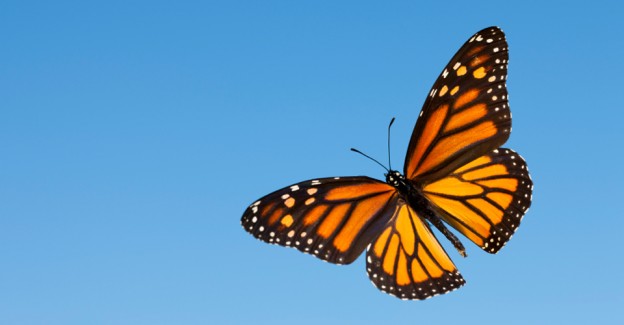
Monarch could soon be on the list of endangered species


Central-America-Monarchs-Photo-2-butterfly
One of the most popular butterflies in North America, wings orange and black monarch, could soon be on the list Fisheries and wildlife species in danger of extinction.

The butterfly population has declined steadily up to 90 percent over the last 20 years due to habitat loss associated with the farm.

It is estimated that one billion monarchs migrate to Mexico in 1996, but last year, only 35 million are believed to have made the same trip.

Agriculture is destroying milkweed plants that monarchs are based on asking and nourish their eggs and larvae. Crops genetically modified to resist herbicides, but native plants like milkweed, lack immunity and die.

Exploring the mountain forests in central Mexico and off the coast of California, where Kings migrate for the winter, are also threatening its population, according to Karen Oberhauser biologist at the University of Minnesota.

Yesterday, the US Fish and Wildlife said a petition asking the government to issue monarchs of protection "presents substantial information indicating that the [the butterfly as an endangered species] can be justified".

"Almost everyone I talked about monarchs expressed their love and admiration for them that often formed in childhood," said Oberhauser.

What is your favorite butterfly?

Jan 6, 2015

Antifreeze Is a Sweet but Deadly Poison for Pets

dog snow nose

Ethylene glycol, the main ingredient in most antifreeze brands, has an inviting aroma and a sweet flavor. Its appealing smell and taste often tempt animals and children to drink the highly poisonous substance.

Take precautions against poisoning your pets

In 2012, manufacturers voluntarily agreed to add a bittering agent to antifreeze, but pet owners should still take precautions.

Keep antifreeze out of the reach of animals and know the signs of antifreeze poisoning. It only takes a few tablespoons of highly toxic antifreeze to seriously jeopardize an animal's life. Families can help save their own pets from an encounter with antifreeze by closely watching the animals in areas where antifreeze may be accessible, such as roads, driveways or garages.

To reduce the risk of poisoning, all brands of antifreeze should be handled carefully and treated as highly poisonous. Ensure that antifreeze is stored well away from animals and children, antifreeze spills are completely cleaned up, and leaks are immediately repaired.

What you can do to protect your pets

1. Switch to a brand of antifreeze that contains propylene glycol instead of ethylene glycol. Note that although it's safer than ethylene glycol antifreeze, propylene glycol antrifreeze is still toxic.
2. Keep antifreeze sealed and away from animals; clean up spills immediately and thoroughly. Fix any leaks right away. 
3. Don't allow your pet to wander unattended near driveways, roads, garages or other places where she could come into contact with antifreeze.
4. Keep other products that contain ethylene glycol—like paint, cosmetics and novelty snow globes—out of the reach of animals. This goes for any product with unknown ingredients.
5. Monitor your pet for strange behavior. If you think she may have ingested antifreeze, take her to a veterinarian immediately.

How to detect antifreeze poisoning in your pets

For pets exposed to antifreeze, the first few hours are critical. Animals who receive immediate veterinary care can recover successfully—but the longer they remain untreated, the less likely they are to survive.

Recognizing antifreeze poisoning symptoms is important—many pet guardians may not immediately realize that their pet has been exposed to the toxin until it's too late.

Antifreeze poisoning occurs in two phases. In the first phase, the animal typically appears lethargic, disoriented, uncoordinated and groggy. Symptoms usually appear 30 minutes to one hour after ingestion and can last for several hours. If your pet is behaving this way, don't delay. Call a veterinarian. Consider whether any of her activities could have brought her into contact with antifreeze.

The second phase, which can last up to three days, is characterized by symptoms such as vomiting, oral and gastric ulcers, kidney failure, coma and death.

post from sitemap
 

Blogger news

Blogroll

About